A neuromechanical
readiness model
for lifelong performance.
CAPRAM is a constraint-based framework that quantifies exercise readiness in adults across the peak decades of adulthood — measured across seven physiological domains, with Biothesiometer-based Vibration Perception Threshold as the signature neural outcome.
“Can a combined soft tissue and exercise intervention measurably restore neuromechanical function in active adults 50+ compared with exercise alone?”
Seven physiological domains.
One composite readiness score.
Every CAPRAM assessment measures each domain with a validated, gold-standard tool — normalized to a common 0–100 scale so change over time becomes visible on a single radar.
Mobility
Range-of-motion capacity across major joints — precondition for exercise participation.
Tissue Tolerance
Subjective and pressure pain thresholds — signals inflammatory or nociceptive load.
Force Production
Peak force output — direct signal of total muscle capacity and neuromuscular drive.
Recovery Capacity
Balance of stress and recovery over 3–4 days — predicts training load tolerance.
Motor Control
Movement quality and compensation patterns — reveals sensorimotor coordination.
Autonomic Regulation
Parasympathetic recovery status and training readiness. Standard 5-min supine morning read.
Neural Function
Peripheral large-fiber sensory nerve function — the dissertation's signature outcome. Sites: hallux, 1st metatarsal head, medial malleolus, tibial crest.
Readiness Score
Mean-normalized index across all seven domains, mapped to a 0–100 scale. Rendered as a radar to expose asymmetries.
Gold-standard supplemental measures.
Beyond the 7 domains — capture lab-grade outcomes when the protocol requires them. All optional. All exported alongside the CAPRAM battery.
The neuromechanical loop.
Scroll through six stages — from life exposure to restored capacity — as the fascial visualization morphs in response.
Time · Meds · Stressors
- Time under load
- Fluoroquinolone exposure
- Corticosteroid exposure
- Chronic inflammatory load
Fascial Remodeling
- Collagen cross-linking increases
- Ground substance dehydrates
- Interfascial gliding shifts
- Tensional vectors realign
Sensorimotor Signal Drift
- Mechanoreceptor sensitivity shifts
- Proprioceptive precision drifts
- VPT elevates (Biothesiometer)
- Balance response times lengthen
Movement Economy Drift
- Myofascial force transmission tapers
- Movement economy tapers
- Recovery windows lengthen
- Training tolerance narrows
The Approach
- Fascial manipulation (Stecco, Schleip)
- Medical massage (SOMI, Turchaninov)
- Progressive exercise loading (ACSM)
- Neuromuscular reactivation
Measurable Capacity
- VPT sharpens (threshold lowers)
- Force transmission rebuilds
- Movement confidence expands
- Training tolerance widens
“Time-accumulated fascial remodeling introduces measurable drift in proprioception and force transmission — and combined manual therapy plus progressive loading measurably restore both.”
Two arms. Same population.
Different intervention.
Active adults 50+ stratified into control (ACSM exercise Rx alone) and intervention (soft tissue + exercise). Assessed at baseline, weeks 4·8·12, and 3-month follow-up.
Group A · Exercise Rx Only
ACSM guideline-based progressive exercise prescription. Control arm.
Group B · Soft Tissue + Exercise Rx
Fascial assessment, sports massage, neuromuscular technique, movement correction + progressive exercise. Intervention arm.
- Vibration Perception Threshold (Biothesiometer)
- Functional Movement Screen (FMS)
- Balance tests (single-leg, tandem)
- Pain (VAS)
- ROM
- Grip strength
- Exercise adherence
- Quality of life
- HRV (rMSSD)
- 6MWT distance
- Movement confidence
How many subjects will you need?
Two-sample t-test, α = 0.05, tunable effect size and power.
Simplified two-sample formula: n ≈ 2 × ((zα + zβ) / d)². For repeated-measures ANOVA or mixed-effects models, this is a conservative floor — the longitudinal design typically needs 30–50% fewer subjects if within-subject correlations are moderate to high.
Trained in three traditions.
Practicing in one framework.
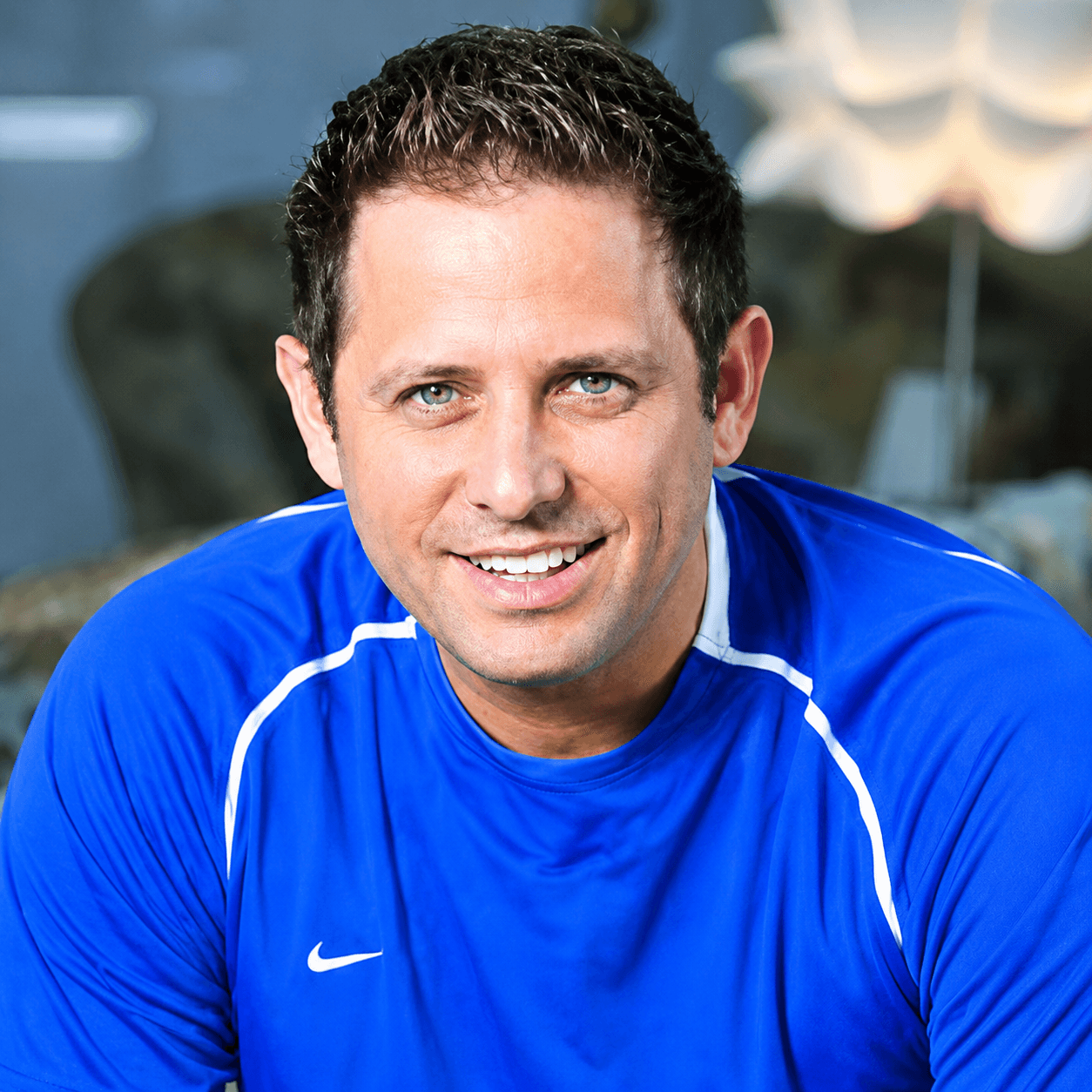
Luis Fernando Carreras Pérez brings together the Soviet/Cuban tradition of Lechebnaya Fizkultura (Popov, 1988), Turchaninov's SOMI medical massage lineage (Vol I & II, 2021), and modern Exercise Science under ACSM's Exercise is Medicine® framework.
Enter the research console.
Manage subjects, run assessment batteries, visualize the CAPRAM Readiness radar, and export dissertation-ready data.
Open research console